

The rise of iGaming has transformed the landscape of entertainment, blending technology, strategy, and excitement into a digital playground accessible to millions worldwide. From traditional casino games to sports betting and innovative online platforms, iGaming offers experiences that are immersive, interactive, and constantly evolving. This blog explores the evolution, benefits, challenges, and future of iGaming, highlighting its impact on modern entertainment, technology, and culture.
Understanding iGaming: What It Is and Why It Matters
iGaming refers to online gambling and betting activities conducted through digital platforms. It encompasses online casinos, poker, sports betting, bingo, lottery games, and more recently, esports betting. Unlike traditional gambling, iGaming allows players to engage from anywhere, offering convenience, accessibility, and a wide range of gaming options.
The significance of iGaming lies in its combination of entertainment, strategy, and potential rewards. Players are drawn to the thrill of chance, skill-based challenges, and the immersive digital environments that replicate the excitement of brick-and-mortar casinos. The rise of iGaming reflects broader trends in digital transformation, social interaction, and personalized entertainment experiences.
A Brief History of iGaming
The origins of iGaming trace back to the mid-1990s when the internet became widely available. Early online casinos offered basic games such as blackjack, roulette, and slots. As internet speeds improved and security measures advanced, online gambling platforms grew in popularity, providing real-money experiences to players worldwide.
The 2000s saw rapid expansion, with software providers developing innovative games and mobile platforms enabling gaming on smartphones and tablets. Licensing and regulation became critical to ensuring fair play, legal compliance, and player protection. This period also marked the emergence of social gaming, where players could engage in virtual gambling without real-money stakes, broadening the appeal of iGaming.
Today, iGaming is a global industry worth billions of dollars, with technological innovation driving immersive experiences, live dealer games, and interactive platforms that replicate or surpass traditional gambling environments.
The Technology Driving iGaming
Technology is at the heart of iGaming’s growth and appeal. Random Number Generators (RNGs) ensure fair outcomes in digital casino games, while secure encryption technology protects financial transactions and personal information. Advanced software platforms provide smooth graphics, realistic sound effects, and interactive gameplay, enhancing the immersive experience.
Mobile technology has been transformative. Players can now access casino games, sports betting, and poker on smartphones or tablets, enabling gaming anytime, anywhere. Live streaming technology allows live dealer games where real-life croupiers interact with players in real-time, combining the social and visual elements of physical casinos with the convenience of digital platforms.
Artificial intelligence and machine learning are increasingly used to personalize gaming experiences. Platforms can analyze player preferences, suggest games, and offer tailored promotions, creating a more engaging and customized entertainment experience.
iGaming as Entertainment
iGaming is more than a gambling activity; it is a form of entertainment that combines excitement, strategy, and social interaction. Players experience suspense and adrenaline through games of chance like slots, roulette, and blackjack, while skill-based games such as poker and sports betting require strategy, analysis, and decision-making.
Interactive features such as multiplayer games, tournaments, and live chats add a social dimension. Players can compete against each other, share experiences, and celebrate victories together. The gamification of rewards, achievements, and loyalty programs further enhances engagement, making iGaming a dynamic form of digital entertainment.
The Social and Community Aspect of iGaming
iGaming platforms foster virtual communities where players connect, compete, and collaborate. Online poker rooms, esports betting platforms, and casino leaderboards create spaces for social interaction, strategy exchange, and friendly competition.
Live streaming and social features allow players to engage with hosts, dealers, and fellow participants, creating an experience that mirrors real-world social interaction. Virtual tournaments and events also encourage community building, connecting players across countries and cultures, and establishing iGaming as a shared social experience rather than an isolated activity.
Economic Impact of iGaming
The iGaming industry is a significant contributor to the global economy. It generates revenue through game development, platform subscriptions, real-money transactions, and advertising. Regulatory compliance, licensing fees, and taxation further contribute to national economies, especially in regions where iGaming is legalized and monitored.
The industry also provides employment opportunities across multiple sectors, including software development, marketing, customer support, and operations management. The emergence of professional poker, esports betting, and competitive gaming has created careers for skilled players, influencers, and content creators, further expanding iGaming’s economic and cultural impact.
Benefits of iGaming
iGaming offers several benefits beyond entertainment:
- Convenience: Players can access games anytime and anywhere, without the need to visit physical casinos.
- Variety: Platforms offer a wide range of games, from traditional casino classics to modern innovations.
- Social Interaction: Multiplayer modes, chat features, and community events enhance engagement and connection.
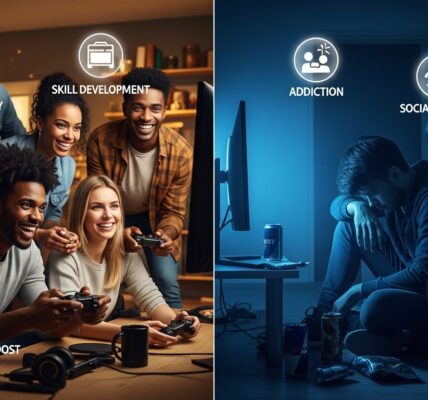
- Skill Development: Strategic games like poker and sports betting enhance analytical thinking, decision-making, and probability assessment.
- Personalized Experiences: AI-driven platforms tailor gameplay and rewards to individual preferences, increasing enjoyment.
These advantages make iGaming appealing to diverse audiences, from casual players seeking entertainment to competitive individuals pursuing strategic challenges.
Challenges and Risks in iGaming
Despite its growth, iGaming faces challenges and potential risks. Problem gambling and addiction are significant concerns, requiring responsible gaming measures, self-exclusion options, and awareness campaigns. Regulatory compliance varies across countries, and players must navigate licensing, legality, and consumer protection issues.
Cybersecurity is another critical aspect. Platforms must safeguard personal and financial data against breaches, fraud, and identity theft. Fairness and transparency are equally important, ensuring games operate with integrity and random outcomes.
Ethical considerations also arise around marketing practices, age restrictions, and player well-being. Ensuring that iGaming remains a safe, enjoyable, and responsible form of entertainment is essential for sustaining industry growth.
The Role of Regulation in iGaming
Regulation is fundamental to iGaming’s legitimacy and sustainability. Legal frameworks ensure fair play, secure transactions, and protection for players. Licensing authorities monitor platforms for compliance, while auditing and certification processes validate game fairness and randomness.
Responsible gaming initiatives, such as deposit limits, time management tools, and educational resources, are enforced by regulators and platforms to prevent gambling-related harm. Clear regulations build player trust, attract investment, and promote the long-term viability of the iGaming industry.
The Future of iGaming
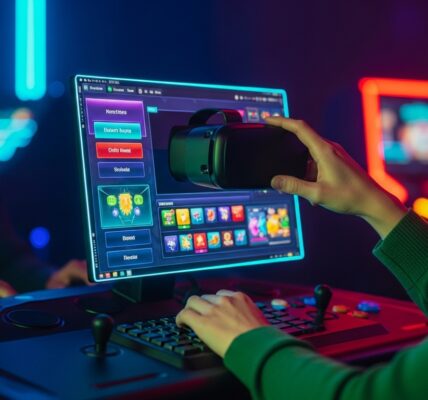
The future of iGaming promises even more innovation and expansion. Virtual reality and augmented reality technologies will offer fully immersive casino experiences, where players can interact with 3D environments and live dealers in real time. Blockchain and cryptocurrency integration will provide secure, transparent, and fast financial transactions, appealing to tech-savvy players.
Esports betting is expected to grow, merging competitive gaming with strategic wagering and enhancing entertainment for fans of digital sports. Gamification, AI personalization, and interactive social features will make iGaming increasingly engaging, creating experiences that are as much about community and strategy as they are about chance.
Globalization and mobile accessibility will continue to expand the player base, making iGaming a universally accessible form of entertainment. Responsible gaming practices, regulatory evolution, and technological innovation will shape a safer, more engaging, and sustainable industry for years to come.
Why iGaming Matters in Modern Entertainment
iGaming matters because it reflects the intersection of technology, entertainment, and human engagement. It combines thrill, strategy, and community in a digital environment accessible to millions. Beyond monetary stakes, iGaming provides cognitive stimulation, social interaction, and immersive experiences.
It also demonstrates how traditional entertainment, such as casino games and sports betting, can evolve in a digital age. By leveraging technology, iGaming offers convenience, variety, and innovation, appealing to modern audiences seeking interactive and flexible entertainment options.
Conclusion: iGaming as a Digital Entertainment Revolution
iGaming has transformed how people experience gambling, strategy, and entertainment. From humble online casinos to immersive VR experiences and esports betting, it has created a dynamic, interactive, and engaging industry that bridges social interaction, cognitive challenge, and excitement.
While challenges such as responsible gaming, cybersecurity, and regulation remain, the future of iGaming is promising. Innovation, technology, and community-driven experiences will continue to shape its evolution, making iGaming a central pillar of modern digital entertainment.
Ultimately, iGaming is more than just digital gambling—it is a revolution in how entertainment, technology, and human engagement converge, providing experiences that are thrilling, social, and endlessly evolving.