

Introduction
In the digital age, entertainment has evolved far beyond traditional forms, and iGaming has emerged as one of the most dynamic and rapidly growing sectors in this landscape. iGaming, a term that refers to online gambling and interactive gaming, includes online casinos, poker, sports betting, bingo, and emerging virtual experiences. What was once a niche activity has now become a mainstream form of entertainment, attracting millions of players around the globe.
The rise of iGaming has been fueled by technological innovation, increased accessibility through mobile devices, and a growing desire for immersive, interactive experiences. This blog explores the evolution of iGaming, the technological advancements driving its growth, popular segments, emerging trends, challenges, and the future outlook of this ever-expanding industry.
The Evolution of iGaming
The origins of iGaming date back to the 1990s when the internet started becoming widely available. Early platforms were basic, offering limited game selections and slow, often unreliable access. Despite these limitations, these early experiences demonstrated the potential for digital gambling, attracting attention from both players and investors.
The introduction of high-speed internet and mobile technology in the 2000s marked a turning point. Players could now enjoy games anytime, anywhere, without the constraints of traditional brick-and-mortar casinos. This convenience, combined with the increasing sophistication of software and graphics, helped iGaming grow into a billion-dollar global industry.
Technological Innovations Shaping iGaming
The growth and popularity of iGaming are deeply rooted in technological advancements. From mobile accessibility to artificial intelligence, technology has transformed how people engage with digital gaming.
Mobile Gaming
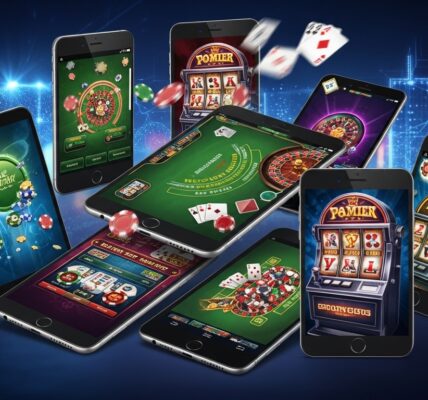
Mobile devices have revolutionized iGaming by allowing players to access games on smartphones and tablets. Mobile-optimized platforms and dedicated apps ensure smooth gameplay and user-friendly interfaces, making it easier for players to engage with games anywhere and anytime. Mobile gaming also encourages innovation in game design, with developers focusing on intuitive controls, visually appealing graphics, and seamless performance.
Live Dealer Games
Live dealer games provide a bridge between traditional casinos and online platforms. Real-life dealers are streamed to players in real-time, offering games such as blackjack, roulette, and baccarat. This format allows players to interact with dealers and other participants, creating an authentic and social gaming experience. Live dealer games have helped build trust in online platforms, as players can witness outcomes in real time rather than relying solely on digital algorithms.
Virtual Reality and Augmented Reality
Virtual reality (VR) and augmented reality (AR) are transforming online gaming by providing immersive experiences. VR can simulate a realistic casino environment, complete with interactive tables and 3D graphics, while AR integrates digital elements into the real world, creating innovative ways to engage with games. As technology advances, VR and AR are expected to become standard features in iGaming, offering experiences that go far beyond traditional online platforms.
Artificial Intelligence and Personalization
Artificial intelligence (AI) and machine learning have significantly enhanced personalization in iGaming. AI analyzes player behavior to recommend games, optimize engagement, and predict trends. Chatbots powered by AI provide instant customer support, while advanced algorithms detect fraud and promote fair play. AI also enables adaptive gameplay, allowing games to adjust difficulty and dynamics based on a player’s skill level and preferences, creating a more engaging experience.
Popular Segments of iGaming
iGaming offers a variety of experiences catering to diverse audiences. Each segment has unique features and appeal, contributing to the overall growth of the industry.
Online Casinos
Online casinos are the backbone of iGaming. They provide a wide range of games, including slot machines, poker, blackjack, roulette, and baccarat. Modern online casinos emphasize high-quality graphics, immersive sound design, and interactive gameplay to replicate the excitement of traditional casinos. Bonuses, promotions, and loyalty programs further enhance player retention and engagement.
Sports Betting
Sports betting has become a major part of iGaming. Platforms allow users to place bets on a wide variety of sports, from football and basketball to esports and horse racing. Real-time statistics, live betting options, and predictive analytics have made sports betting more exciting and interactive, attracting both casual fans and serious bettors.
Poker and Online Tournaments
Poker has remained a popular iGaming segment due to its blend of strategy and competition. Online poker platforms host cash games, tournaments, and competitive leagues for players of all skill levels. Tournaments often feature significant prize pools, adding excitement and prestige. The social and strategic aspects of poker continue to attract a dedicated player base.
Bingo and Casual Games
Bingo and casual games appeal to players seeking low-stakes entertainment. These games are simple, easy to play, and often include social interaction features such as chat rooms or multiplayer modes. Casual games provide a relaxed gaming experience that appeals to players looking for fun rather than competition, making this segment accessible to a broader audience.
Emerging Trends in iGaming
The iGaming industry is continually evolving, driven by technological advancements, changing consumer behavior, and regulatory developments.
Mobile-First Strategies
As mobile devices dominate gaming access, platforms are increasingly adopting mobile-first strategies. Developers prioritize fast-loading interfaces, responsive designs, and mobile-exclusive features to enhance player experience. Mobile-first approaches allow operators to reach wider audiences and maintain player engagement.
Gamification
Gamification adds game-like elements to platforms, such as achievements, leaderboards, and reward systems, to increase engagement and retention. These features make gaming more interactive and enjoyable while motivating players to return frequently. Gamification has become a key strategy for keeping players invested in long-term gameplay.
Cryptocurrency Integration
The integration of cryptocurrency and blockchain technology is gaining traction in iGaming. Digital currencies offer faster, more secure transactions, lower fees, and greater privacy. Blockchain ensures transparency and fairness, which appeals to players seeking trust and reliability in online platforms.
Responsible Gaming
As the industry grows, responsible gaming initiatives are becoming increasingly important. Platforms offer tools like deposit limits, self-exclusion options, and reality checks to promote safe play. Regulatory authorities also enforce standards to protect players, ensuring the industry develops sustainably.
Esports Betting
Esports has emerged as a major component of iGaming. Competitive gaming events attract millions of viewers, creating opportunities for betting on match outcomes, player performance, and tournament results. Esports betting combines traditional betting mechanics with digital gaming culture, appealing to younger audiences and expanding the market for iGaming operators.
Challenges Facing the Industry
Despite rapid growth, iGaming faces challenges that require careful attention and strategic planning.
Regulatory Variations
iGaming regulations vary widely across regions. Some countries have strict licensing requirements, while others prohibit online gambling altogether. Operators must navigate these complex legal frameworks to remain compliant and maintain legitimacy.
Security and Fraud Prevention
Online platforms are vulnerable to cyber threats, making security a top priority. Protecting sensitive player data and preventing fraudulent activity are essential to maintaining trust. Breaches can lead to significant financial and reputational losses.
Intense Competition
With the growth of iGaming, competition among platforms has intensified. Operators must differentiate themselves through innovative features, user experience, and attractive promotions. Market saturation in some regions makes it challenging for new entrants to establish a presence.
Problem Gambling
Gambling addiction remains a significant concern. Operators are responsible for providing resources and tools to help players manage their behavior. Addressing problem gambling ensures that the industry develops responsibly while protecting users.
The Future of iGaming
The future of iGaming is promising, with continued technological innovation and evolving consumer expectations shaping the industry. Artificial intelligence, virtual reality, and augmented reality will make games more immersive and interactive. Mobile-first platforms, gamification, and cryptocurrency integration will enhance accessibility and convenience.
Esports betting is likely to grow further, creating new opportunities for player engagement. As regulatory frameworks become more standardized, operators can expand into new markets while ensuring safe and fair gaming experiences. Responsible gaming initiatives will continue to play a central role, ensuring sustainability and long-term growth.
Conclusion
iGaming has transformed from a niche digital pastime into a mainstream entertainment phenomenon. Technology, accessibility, and innovation have reshaped how people engage with games, offering experiences that range from casual fun to high-stakes competition.
With online casinos, sports betting, poker, bingo, and esports forming the core of the industry, iGaming offers diverse experiences that cater to all types of players. Emerging trends like mobile-first design, gamification, virtual reality, and cryptocurrency integration are set to redefine the landscape further.
Despite challenges such as regulation, security, and problem gambling, the industry continues to grow, offering exciting opportunities for players and operators alike. The future of iGaming promises to be more immersive, interactive, and engaging, firmly establishing its role as a leading form of digital entertainment.